 0
0
 0
0
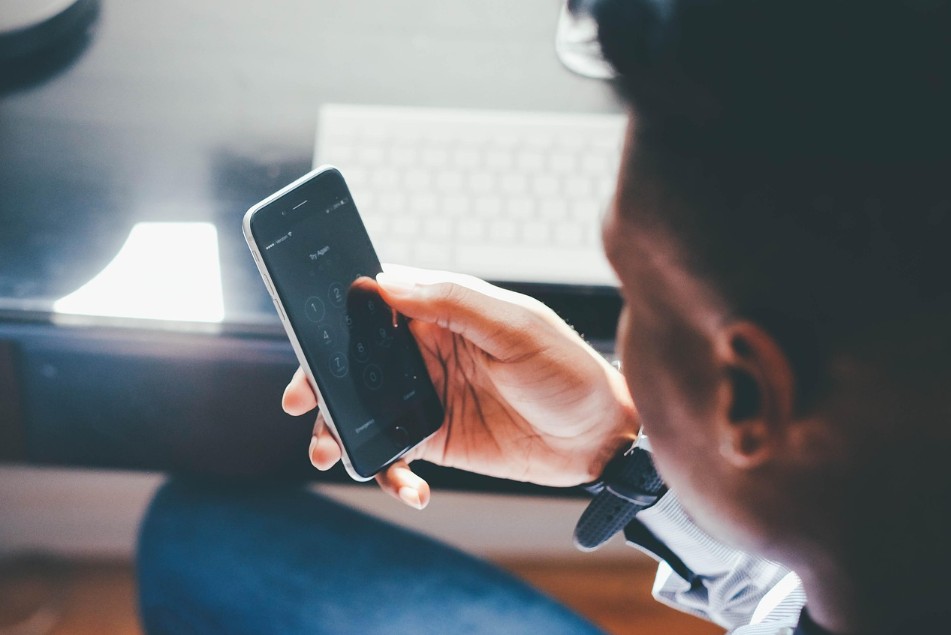
Social media was once sold as a tool for connection and creativity. Today, platforms like TikTok and Instagram shape how we communicate, how we see ourselves, and how we spend our time. But as their influence grows, so does the evidence that they may be harming our mental and physical well‑being.
The Attention Trap
TikTok’s rapid‑fire videos and Instagram’s endless scroll are engineered to keep us hooked. These design choices fragment our attention, encourage compulsive use, and leave many users feeling overstimulated yet unable to disconnect. For younger users, whose brains are still developing, the effects can be even more pronounced.
Distorted Self‑Image
Instagram’s curated perfection—filters, flawless bodies, idealized lifestyles—creates a distorted reality. Studies link heavy use to body dissatisfaction, low self-esteem, and eating disorders. When every scroll presents a highlight reel, it becomes easy to feel inadequate.
Anxiety on Demand
Notifications, likes, and comments turn social interaction into a constant performance. The pressure to respond, post, and stay visible fuels anxiety, FOMO, and a sense of never being “enough.” Even positive feedback becomes addictive, pushing users to seek more.
Sleep Under Siege
Late‑night scrolling disrupts sleep patterns, suppresses melatonin, and keeps the brain alert long after bedtime. Poor sleep, in turn, increases stress, irritability, and vulnerability to depression.
A Growing Mental Health Concern
While social media isn’t the sole cause of rising anxiety and depression, it amplifies comparison, isolation, and information overload. The platforms designed to connect us can leave us feeling more alone.
Using Social Media Without Losing Yourself
Experts recommend setting time limits, turning off non‑essential notifications, curating your feed, and prioritizing offline relationships. Social media isn’t inherently harmful—but without boundaries, it can quietly erode well‑being.
- Hector Pascua/picture: pixabay.com



This post has already been read 4829 times!